Bedtime Skincare Routine as a Grounding Ritual and Modeling Self-Compassion
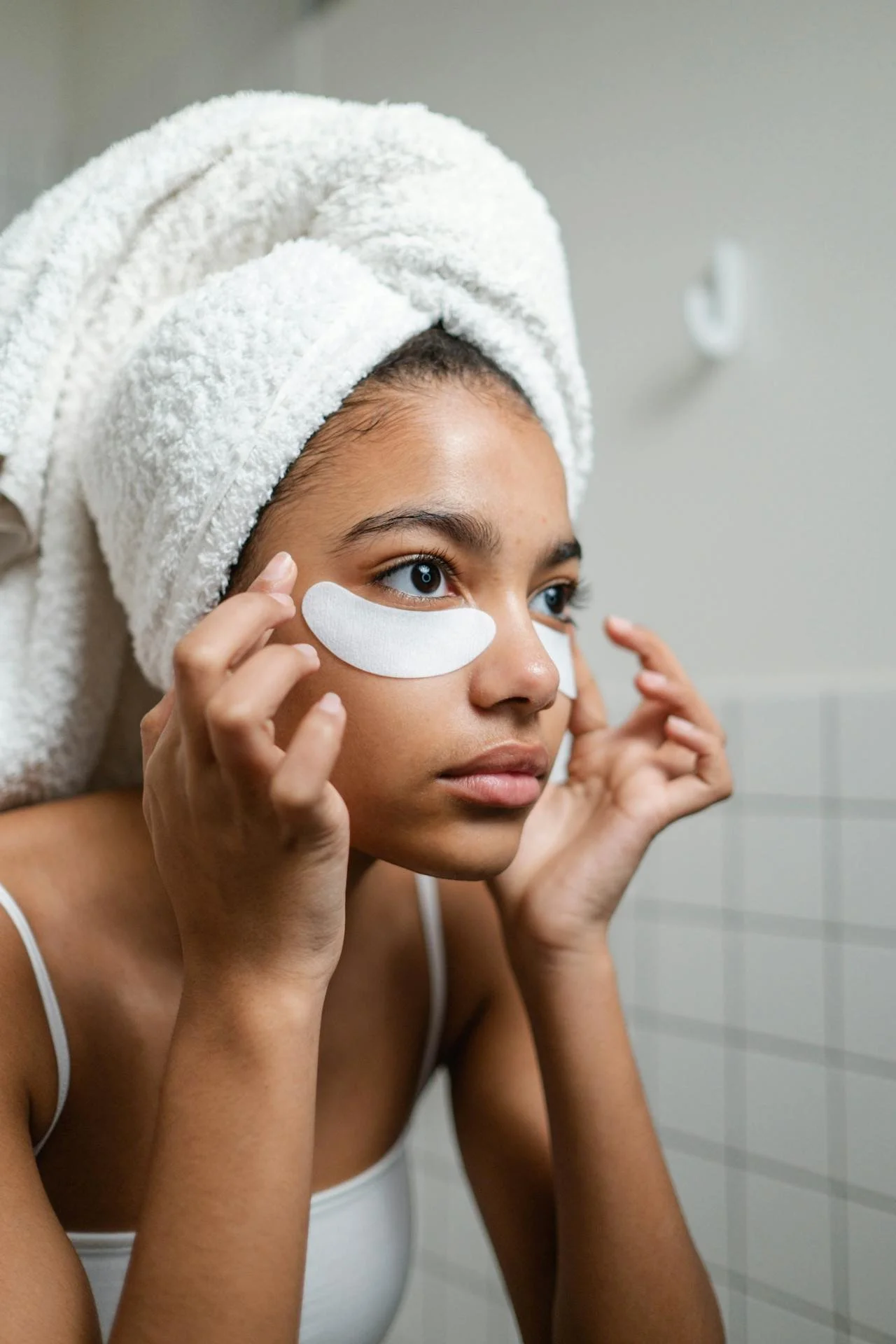
A skincare routine, especially one that happens in the evening after a shower and before bed, can certainly serve as an emotionally grounding ritual for adults and kids alike. The tactile stimulation, repetitive movements of rubbing cream, the scents that many of these products have, can all feel relaxing and help with the evening wind-down.
Having grounding routines before bedtime can be excellent but of course there are some things we should consider when thinking about whether these are healthy and helpful for kids.
Some key things to consider are:
1. Product safety:
I have tried looking up the ingredients and safety information for many of the skin care products at popular places like Sephora and it’s not easy to access that information. Certain ingredients, like lavender, have been known to be hormone disruptors so they are not safe for young girls to use. There are sunscreen safety websites that people can access when thinking about sunscreen safety for their kids- I’d love someone to make that for skin care products.
2. How is the ritual being carried out-
Is your child enjoying the ritual and is it relaxing them or is it not enjoyable? Are they compulsive about it and needing to use the products in a super specific and prescribed way? I think it’s always helpful to examine the roles that different rituals have in our lives
3. What other routines or coping rituals is the skin care routine replacing?
Would your child be reading a book, journaling, or doing a craft and instead they’re doing skin care? Are they going to sleep later because they have a prolonged skincare routine? What is the routine replacing?
4. What are the thoughts that are happening during the ritual:
Are they staring in the mirror and noting all the ways that their skin is imperfect? Are the blemishes that need to be covered or fixed? Are you looking in the mirror and saying “I am not enough, I am not pretty enough, I need to fix this?” What are the thoughts that accompany this ritual is a question I ask about all rituals that people have (cooking, dishes, exercise, etc)
5. What is the social role of this ritual?
Are kids doing it because all their friends are and they feel peer-pressured? Has skin-care and access to skin-care products become social currency- those who have them are higher up on the chain than those who don’t?
6. The financial cost.
These products can be expensive and kids don’t necessarily have the skillset to budget accordingly so are they using all their allowance and birthday money on skin care instead of crafts or books? Are parents feeling pressured to buy these products for their kids because “everyone else has them”
Skincare, TikTok, and the Evolution of Beauty Trends
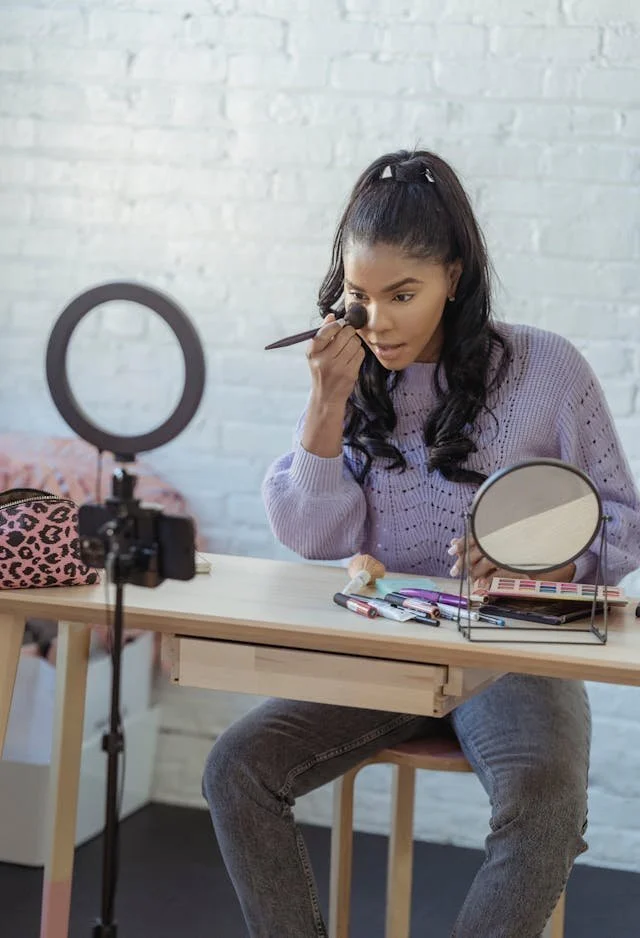
In terms of the shift around consumer categories for young kids, of course kids today have much more exposure than kids did in prior generations simply due to access to cell phones and apps like TikTok. But, I think that makeup and dress up and the pursuit of beauty are not specific to today’s generation. In the scheme of things, is the emphasis on skincare for young girls today much better or worse than the nail polish fad I had as a tween? I’m not sure. Has access to TikTok and YouTube created unhealthy beauty standards at a much younger age than in prior generations? Probably. And I do believe that social media, filters, air brushing etc can create unhealthy self talk and self perceptions among kids. On the other hand, I do think there are more influencers and magazines that are trying to broaden the definition of beauty and perfection.
Self-Talk Matters: Helping Kids See Themselves with Kindness
I also firmly believe that one of the most important pieces to helping your child have a secure sense of self and not feel overburdened by the beauty industry comes down to how the adults around them are modeling their own self-talk and how the adults are encouraging difficult conversations. Is the adult in their life, most often the parent, using kind words to describe their own bodies and blemishes and face? Is the parent using language like, “this cream helps my skin stay healthy” vs “this cream hides all those ugly marks I have”.
Modeling Self-Compassion in Real Life Moments
One way that parents can help with self esteem is by increasing their own self compassion and encouraging self compassion in their kids. If a parent has a large blemish, breakout, or something else that needs covering up, the parent can model self-kindness and say “I am not so happy about that big mark on my cheek but I also know that no one’s face is perfect” or “yes I still have those acne scars but beauty comes in all shapes and sizes and patterns” or “I would love for that pimple to go away but I look good enough for today’s meeting”. Practice these self-compassion statements about beauty and model them for your kids. THAT, more than any obsession with skin care or nail polish or hair spray or crop tops, will be what helps your child maintain their self esteem as they grow up.